About us
Built to be exactly what we needed
Support Scan wasn’t designed in a boardroom. It was built inside South Coast Counseling, a licensed detox and residential treatment program in Costa Mesa, California — by the program director who answers to the surveyor.
Meet the Idea
Every residential program runs safety rounds. Every director signs off on them. And when a surveyor asks whether a check actually happened, most of us can only point to a clipboard.
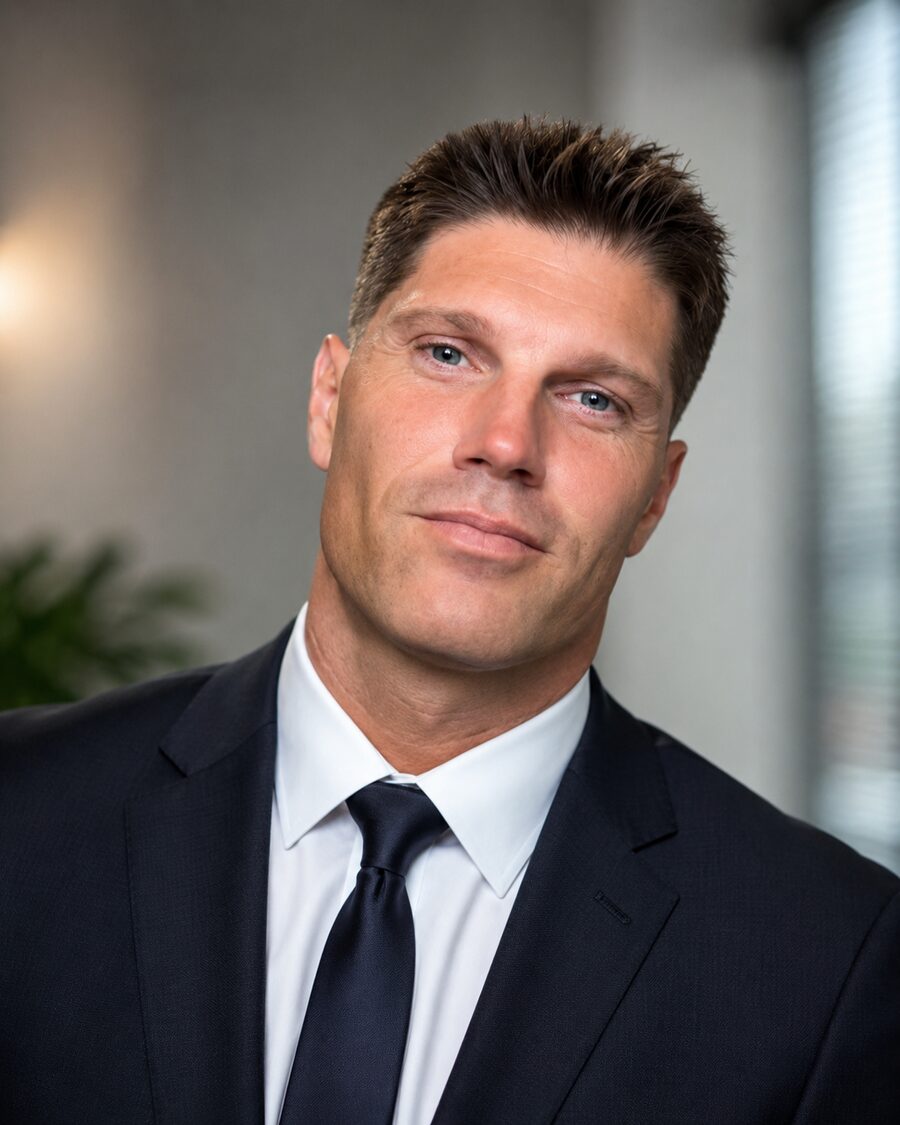
I’m Bret Marisnick, the founder of Support Scan. I’m a Certified Alcohol and Drug Counselor, a behavioral health Program Director, and a software developer. My work brings together clinical experience, organizational leadership, regulatory compliance, and computer science — all of which shape how I build tools for treatment professionals.
As Program Director across three behavioral health organizations, I oversee other directors and department heads while leading operations, utilization review, and compliance across detox, residential, PHP, and IOP services. My responsibilities include staffing decisions, clinical documentation standards, payer authorizations, licensing, accreditation, and the systems that keep programs accountable.
One of my proudest accomplishments is leading an ASAM Level 3.7 program to CARF accreditation and authoring every policy and procedure required for that accreditation. I also prepare programs for DHCS, Joint Commission, and CARF surveys, translating complex requirements into practical procedures that staff can follow in their daily work.
That work extends into the details: reviewing charts, identifying missing documentation, overseeing concurrent reviews and step-down planning, and building audit processes that help teams address problems early. I understand how closely staff performance, documentation, client safety, and a program’s financial stability are connected.
My role also keeps me connected to the people receiving care. I facilitate a weekly community process group and remain involved in client documentation and discharge processes. That connection matters to me because the systems we build ultimately need to support the people seeking treatment and the staff caring for them.
I have an extensive background in tech and development, and alongside my leadership responsibilities, I develop software, automation tools, and Kipu EMR integrations to simplify audits, documentation tracking, scheduling, and reporting. I bring the perspective of someone responsible for both understanding the operational problem and building a practical solution.
Support Scan brings those experiences together. I built it around the needs of treatment teams: keeping track of rounds and daily responsibilities, improving visibility across shifts, supporting staff communication, and making essential work easier to complete and verify. My approach is straightforward: build technology that reflects how treatment programs actually operate. I want staff to know what needs attention, leaders to have a clearer picture of their programs, and teams to feel better supported in their work.
The work behind it
What I do every day
The work that shaped every screen in Support Scan.
Survey readiness
I prepare our programs for DHCS, Joint Commission and CARF surveys, maintain the policy and procedure manuals, and update practice as new regulations and BHINs are released.
Utilization review
ASAM level-of-care determinations, payer authorizations, concurrent reviews, step-down planning and peer review documentation — I oversee all of it.
Documentation audits
I created weekly chart, intake and group documentation audits that catch missing or late notes before they become billing or survey problems.
Staff and standards
I recruit, train and supervise clinical and support staff, set documentation standards for case management and counseling notes, and handle corrective action.
Reporting
I manage grant and state outcome reporting for our nonprofit program — the numbers have to be right, and they have to be provable.
Building the tools
I build my own software and automation, including Kipu EMR integrations, to streamline audits, documentation tracking, scheduling and reporting. Support Scan is the biggest of them.
Why I built Support Scan
I wanted a record I could defend. Nothing on the market gave me one.
Paper logs can be filled in from a chair at the end of a shift. Rounding devices are more hardware to buy, charge and lose — and they still can’t prove a staff member was standing next to the client. So I built it, on the unit, alongside the techs who use it on every shift.
Every feature exists because a real shift needed it
A beacon that proves presence instead of a checkbox that claims it. Round windows that can’t be done early or filled in later. Alerts that reach a supervisor even when a phone is asleep. Recording that keeps working when the Wi-Fi doesn’t. And one button — “Round on next due client” — because rounds are done one-handed, on the move.
Support Scan is specifically engineered and designed to support complete compliance with DHCS and The Joint Commission because those are the standards I am held to myself. If it holds up in my building, it will hold up in yours.
— Bret Marisnick, CADC-I, Founder
What we believe
Verification beats attestation.
A record that proves presence protects clients — and protects the staff who do the job right.
The record is sacred.
What happened is what’s written. Rounds can’t be backfilled or quietly edited.
Software should fit the shift.
If it takes more than two taps at a bedside, it won’t survive a busy night.
Say what’s true.
No claims a surveyor would wince at, and no outcomes we can’t evidence.
Talk to the person who built it
Live in less than a week, hands-on training, and 24/7 support. Questions go to a program director, not a sales queue.